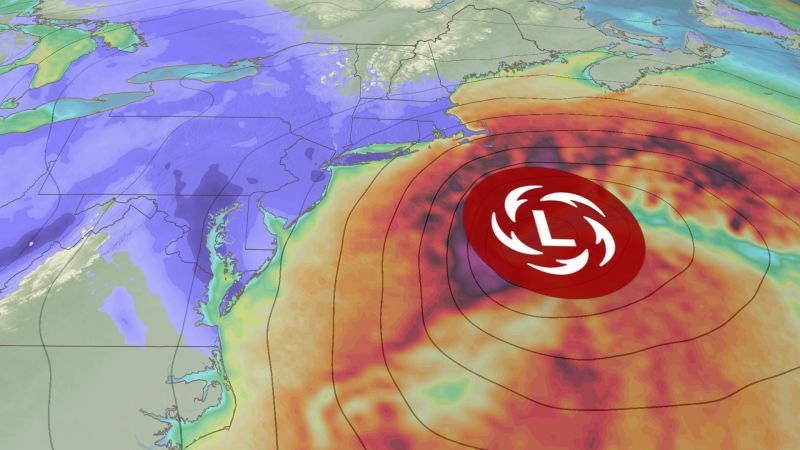
Navigating the Search for "Tormenta Nieve Nueva York": When Context Lacks Storm Details
When the phrase "tormenta nieve nueva york" emerges in conversation or online searches, it typically conjures vivid images: iconic cityscapes blanketed in white, bustling streets transformed into quiet, ethereal pathways, and the inherent challenges and beauty of a major snow event in one of the world's most vibrant cities. Users searching for this term are often seeking critical information—be it historical data, current forecasts, preparedness tips, or details about a specific, impactful winter storm. However, as our reference context clearly indicates, not all information sources will yield the anticipated storm details. In fact, a search for "tormenta nieve nueva york" might sometimes lead to entirely unrelated content, such as Microsoft support articles on sharing contacts or mailboxes, highlighting a peculiar disconnect between search intent and information retrieval.
This article aims to bridge that gap. While acknowledging that the provided source material offers no specific details about any actual "tormenta nieve nueva york," we will delve into the broader context of what such a search implies. We’ll explore the significance of New York City snowstorms, offer essential insights into their impact, provide practical preparation advice, and discuss the critical importance of finding reliable information during such events. The inherent challenge of seeking specific storm information versus encountering irrelevant content underscores the broader need for effective information literacy, especially when dealing with natural phenomena that can significantly affect millions of lives.
The frustration of encountering unrelated content when seeking urgent or specific information about a winter storm is understandable. Imagine bracing for a potential blizzard and instead finding instructions on NYC Snowstorm Search: No Related Info in This Outlook Guide. This article will pivot from that technical discrepancy to provide the valuable information a user *would* expect when looking into "tormenta nieve nueva york."
Understanding New York City's Winter Weather Landscape
New York City is no stranger to dramatic winter weather. While not every snowfall paralyzes the metropolis, significant "tormenta nieve nueva york" events are a memorable part of the city's history and character. From gentle dustings that make Central Park picturesque to paralyzing blizzards that bring the city to a standstill, snowstorms here are more than just weather; they are cultural events, economic disruptors, and logistical nightmares—or triumphs, depending on the response.
Historically, New York has experienced some truly epic snowstorms. The Great Blizzard of 1888, though long past, remains a benchmark for its sheer intensity and widespread disruption. More recently, events like the 2006 North American blizzard or the "Snowmageddon" of 2010 have tested the city's resilience. Each major snow event brings with it a unique set of challenges:
- Transportation Halts: Subways may run on altered schedules, buses can become stranded, and airports often close, impacting millions of commuters and travelers.
- Economic Impact: Businesses suffer losses due to closures and reduced consumer activity. Deliveries are delayed, and the cost of snow removal can be substantial for the city.
- Public Safety Concerns: Icy conditions lead to falls and accidents. Power outages can leave residents without heat, posing serious health risks.
- Community Spirit: Paradoxically, major snowstorms often foster a unique sense of community, as neighbors help one another, and the city briefly slows down, encouraging reflection and local interaction.
Understanding this backdrop is crucial when discussing "tormenta nieve nueva york," as it contextualizes the significant interest and concern such an event generates. It's about more than just precipitation; it's about the intricate dance between nature and urban life.
Preparing for a "Tormenta Nieve Nueva York": Essential Tips
Given the potential for significant disruption, preparation is key when a "tormenta nieve nueva york" is on the horizon. While our source was devoid of storm details, we can provide actionable advice that is always relevant:
- Stay Informed: This is paramount. Monitor local news, weather apps, and official city alerts. Reliable sources like the National Weather Service, NYC Emergency Management, and reputable local news channels are invaluable. Do not rely on unverified social media rumors.
- Prepare an Emergency Kit:
- Non-perishable food and water: Enough for at least three days for everyone in your household.
- Flashlights and extra batteries: In case of power outages.
- Battery-powered or hand-crank radio: To receive emergency broadcasts if power and internet are down.
- First-aid kit: For minor injuries.
- Prescription medications: Ensure you have a sufficient supply.
- Chargers and power banks: For mobile phones.
- Secure Your Home:
- Check heating systems: Ensure they are in good working order.
- Seal drafts: To keep heat in and cold out.
- Clear gutters: Prevent ice dams.
- Know how to shut off utilities: Especially water, in case pipes burst.
- Travel Smart (or Not at All):
- Limit travel: If a major storm hits, stay home. Road conditions will be hazardous, and public transit may be severely impacted.
- Charge devices: Before leaving, especially if you must travel.
- Dress in layers: For warmth.
- Help Your Neighbors: Check on elderly or vulnerable neighbors, ensuring they are safe and have what they need. Community solidarity is vital during winter emergencies.
These proactive steps can significantly mitigate the stress and danger associated with a severe "tormenta nieve nueva york" and are far more useful than instructions on managing shared mailboxes when the snow begins to fall.
The City's Response and Resilience in the Face of Snow
New York City's response to a "tormenta nieve nueva york" is a massive, coordinated effort involving multiple agencies. From the Department of Sanitation (DSNY) to the MTA and NYPD, each plays a critical role in keeping the city moving, safe, and recoverable. The city's preparedness plans are constantly evolving, learning from past events to improve future responses.
Key Aspects of NYC's Snowstorm Response:
- Snow Removal Operations: DSNY is typically at the forefront, deploying thousands of personnel and hundreds of salt spreaders and plows. Strategic plowing routes are designed to clear major arteries first, then secondary roads, ensuring access for emergency services.
- Emergency Declarations: The Mayor's office often issues emergency declarations, which can include travel bans, school closures, and warnings for residents to stay indoors. These are crucial for public safety and to allow emergency crews to operate effectively.
- Public Transportation Adjustments: The MTA makes tough decisions regarding subway and bus service. Elevated subway lines might be suspended, and bus routes curtailed or rerouted, prioritizing safety over full service.
- Communication: NYC Emergency Management (NYCEM) uses various channels, including Notify NYC, social media, and traditional media, to disseminate real-time information and alerts to residents. This communication is critical for managing public expectations and safety.
The resilience of New Yorkers and the effectiveness of city services are truly put to the test during a major "tormenta nieve nueva york." The rapid mobilization of resources, coupled with the cooperation of millions of residents, is what ultimately helps the city bounce back, often remarkably quickly, after the heaviest snowfalls.
Beyond the Search: Finding Reliable Information During a Storm
The initial premise of this article—a search for "tormenta nieve nueva york" yielding irrelevant content—highlights a fundamental challenge in the digital age: information overload and the difficulty of filtering useful data from noise. When a real storm threatens, the need for accurate, timely, and relevant information becomes paramount. Just as you wouldn't rely on an Outlook guide for weather details, it's essential to cultivate reliable sources for emergency information.
Here are crucial considerations for sourcing information during a severe weather event:
- Official Government Channels: Always prioritize information from official city and state agencies (e.g., NYC Emergency Management, National Weather Service, Department of Transportation). These sources provide verified alerts and instructions.
- Reputable News Outlets: Local news channels (TV, radio, and their online counterparts) often have dedicated meteorology teams and reporters on the ground. Stick to well-established, credible news organizations.
- Direct Communication: Sign up for emergency alert systems like Notify NYC, which sends text messages, emails, or calls directly to your phone.
- Avoid Misinformation: Be wary of unverified posts on social media. While useful for local reports, it's crucial to cross-reference information with official sources. Rumors can spread quickly and cause unnecessary panic or confusion.
Understanding where to look for credible information is a vital skill, especially when circumstances are evolving rapidly. The internet is a vast resource, but its utility during an emergency hinges entirely on one's ability to navigate it effectively and discern fact from fiction. For those seeking vital storm insights, confronting Seeking NY Snowstorm Insights? This Content Is Irrelevant can be a significant roadblock, reinforcing the importance of known, trusted channels.
In conclusion, while the initial context for "tormenta nieve nueva york" presented a peculiar disconnect by offering unrelated content, the underlying user intent for such a search remains critically important. New York City snowstorms are significant events, demanding preparedness, an understanding of their impact, and reliance on accurate information. From stocking emergency kits to knowing how the city responds, being ready for a "tormenta nieve nueva york" is about ensuring safety and fostering community resilience. Always prioritize official and reputable sources for weather and emergency alerts, ensuring that when the next blanket of snow covers the Big Apple, you are informed, prepared, and safe.