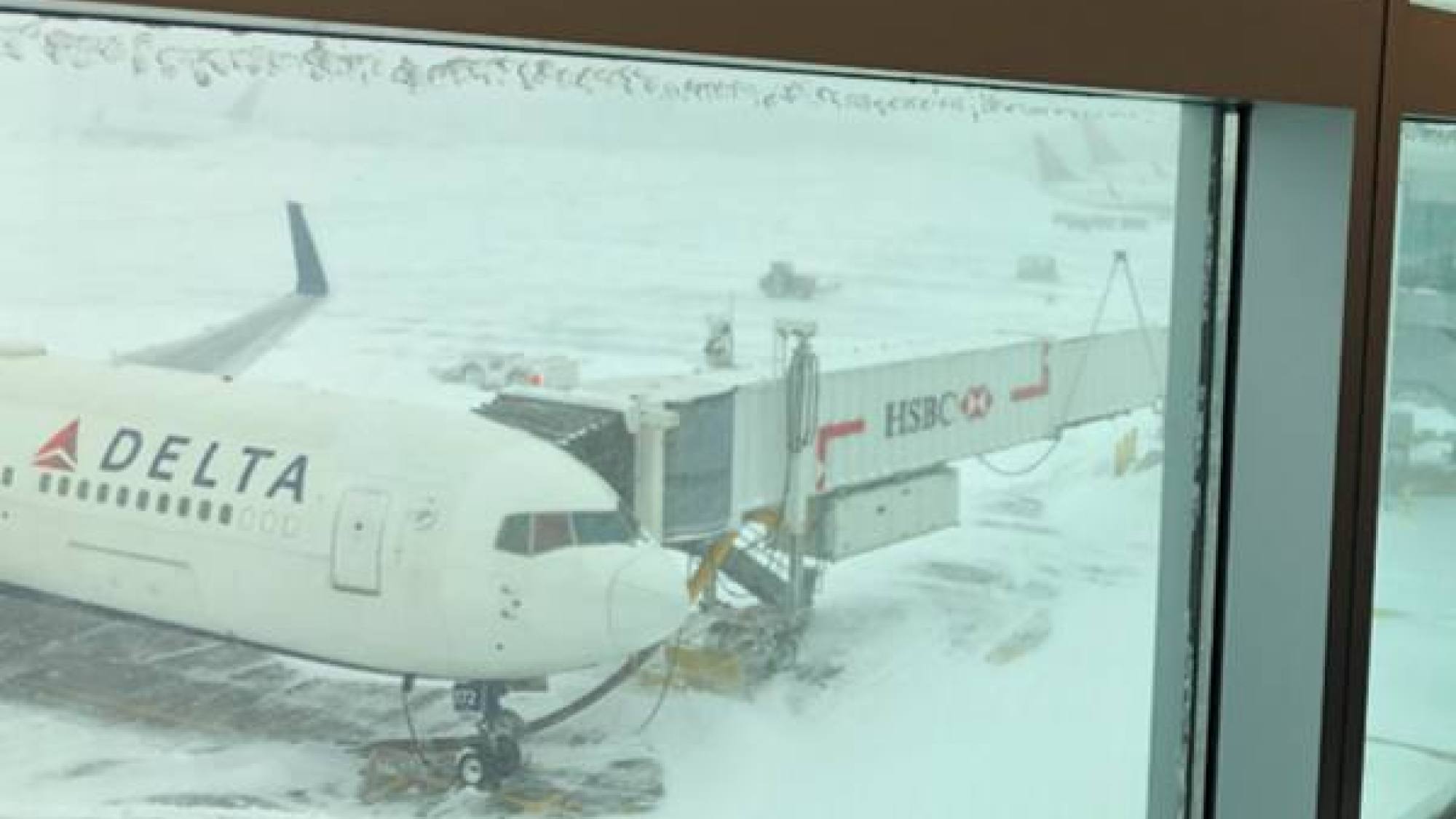
Searching for "Tormenta Nieve Nueva York"? Understanding Why Context Matters (And What Doesn't)
You've landed here, likely driven by a keen interest in weather phenomena, specifically a "tormenta nieve nueva york" – a New York snowstorm. Perhaps you’re an NYC resident bracing for impact, a weather enthusiast tracking atmospheric patterns, or someone simply curious about the dramatic potential of winter in the Big Apple. Whatever your motivation, your search intent is clear: you seek insights, forecasts, preparedness tips, or perhaps historical data on powerful snow events that have blanketed New York City.
However, the journey to finding relevant information online can sometimes take unexpected detours. The very foundation and inspiration for this article highlight a peculiar discrepancy. While your search query points unequivocally to blizzards and wintry blasts, the underlying reference material provided for *this specific content* speaks of something entirely different: Microsoft Outlook support articles concerning shared contacts, mailboxes, and folders. In essence, the information intended to guide the creation of this piece had absolutely no connection to snow, storms, or New York whatsoever. This intriguing misalignment forms the core of our discussion, exploring not just what a "tormenta nieve nueva york" entails, but also the digital landscape where such search queries can sometimes lead to surprisingly irrelevant results.
The Curious Case of "Tormenta Nieve Nueva York" and Unrelated Search Results
It might seem counterintuitive. How does a search for a significant weather event like a "tormenta nieve nueva york" – a term loaded with specific geographical and meteorological meaning – become intertwined with tech support guides for email clients? The answer lies in the complex, sometimes imperfect, world of search engine algorithms, content indexing, and the vastness of the internet.
Consider the core problem: a user types in a highly specific, evocative phrase like "tormenta nieve nueva york" (New York snowstorm). They expect to find news articles, weather warnings, governmental advisories, or perhaps even picturesque photographs of a snow-covered Central Park. Yet, as our foundational reference material starkly illustrates, sometimes search results can stray significantly. The supplied context for this article, for example, contained entries like:
- "Open another person's Exchange Contacts - Microsoft Support"
- "View, hide, or remove shared mailboxes or shared folders in..."
- "Add a shared mailbox to Outlook mobile - Microsoft Support"
These are clearly about managing digital collaboration tools, not about preparing for a blizzard or understanding the dynamics of a Tormenta Nieve Nueva York: Context Lacks Storm Details. This disconnect serves as a powerful reminder of how critical it is for both content creators and searchers to be precise. For content creators, it underscores the need for highly relevant metadata, clear content structure, and unambiguous language. For users, it highlights the benefit of refining searches, using specific phrases, and understanding what constitutes a reliable source.
The lesson here is profound: even with a precise term like "tormenta nieve nueva york," the digital ecosystem can sometimes present a jumbled array of information. It's a testament to the sheer volume of data online, where obscure keyword overlaps or indexing errors can lead to unexpected pairings.
Navigating the Digital Blizzard: Finding Real NYC Snowstorm Information
When the clouds gather and the forecast predicts significant snowfall, obtaining accurate, timely, and actionable information about a "tormenta nieve nueva york" becomes paramount. Forget shared Outlook folders; what you truly need are reliable updates to ensure safety and preparedness. Here's how to cut through the digital noise and find the real story:
- Official Government & Weather Agencies: These are your primary sources.
- NYC Emergency Management (NYCEM): Visit their official website (nyc.gov/site/em) and sign up for Notify NYC alerts. This is your go-to for city-specific advisories, travel bans, and service disruptions.
- National Weather Service (NWS) New York, NY (Upton, NY Forecast Office): For raw, scientific weather data, warnings, and advisories, check weather.gov/okx. They issue blizzard warnings, winter storm watches, and coastal flood alerts.
- National Oceanic and Atmospheric Administration (NOAA): Provides broader climate and weather information that contextualizes local forecasts.
- Local News Outlets: Major NYC news channels and newspapers offer comprehensive coverage.
- Television News: Tune into local affiliates (e.g., ABC7, NBC4, CBS2, FOX5, NY1) for continuous updates, live reports, and expert commentary.
- Online News Portals: Websites of The New York Times, New York Post, Daily News, Gothamist, and others will have dedicated sections for storm coverage.
- Transportation Authorities: Crucial for commuters and travelers.
- MTA (Metropolitan Transportation Authority): For subway, bus, Long Island Rail Road (LIRR), and Metro-North updates, visit new.mta.info or use their apps. Service changes are inevitable during significant snowstorms.
- Port Authority of New York and New Jersey: For bridge, tunnel, airport (JFK, LGA, EWR), and PATH train information, check their website.
- Social Media (Verified Accounts): Follow the official accounts of the agencies listed above on platforms like X (formerly Twitter) for real-time, concise updates. Always look for the blue verification checkmark.
When conducting your searches, use precise language. Instead of just "tormenta nieve nueva york," try "NYC snow forecast," "Blizzard warning New York City," "MTA snow delays," or "NYC schools snow day." These specific phrases will help search engines deliver more accurate results, steering you away from irrelevant technical guides.
Preparing for the Real "Tormenta Nieve Nueva York" (When It Hits!)
Once you've successfully navigated the digital maze and confirmed that a significant "tormenta nieve nueva york" is indeed on its way, preparedness becomes your top priority. Unlike searching for NYC Snowstorm Search: No Related Info In This Outlook Guide, preparing for a blizzard requires practical, tangible steps.
Here’s a checklist to ensure you're ready:
- Emergency Kit Essentials: Assemble a kit with at least three days' supply of non-perishable food and water (one gallon per person per day). Include a battery-powered radio, flashlight, extra batteries, a first-aid kit, a whistle, and a manual can opener. Don't forget any necessary medications.
- Home Readiness:
- Power Outage Plan: Charge all electronic devices. Have backup power banks ready. Know where your circuit breaker is.
- Heat & Insulation: Ensure windows and doors are properly sealed. Have extra blankets and warm clothing. If you have a fireplace, ensure you have sufficient firewood and a clear chimney.
- Food & Water: Stock up on groceries, especially items that don't require cooking. Fill your bathtub with water as a reserve for flushing toilets if water service is disrupted.
- Transportation Considerations:
- Limit Travel: Unless absolutely essential, avoid driving or using public transit during a heavy snowstorm. Road conditions can be extremely dangerous.
- Car Preparedness: If you must drive, ensure your gas tank is full, tires are properly inflated, and you have an emergency kit in your vehicle (blanket, shovel, jumper cables, flares, water, snacks).
- Parking Rules: Be aware of temporary parking restrictions and alternate side parking rules, which are often suspended during snow emergencies.
- Safety Tips:
- Shoveling: If you're shoveling snow, take frequent breaks, lift with your legs (not your back), and stay hydrated. Be mindful of potential heart strain.
- Stay Warm: Dress in layers. Hypothermia and frostbite are serious risks.
- Carbon Monoxide: Never use a gas oven or charcoal grill for heat indoors. Ensure generators are used only outdoors and away from windows.
- Check on Neighbors: Especially the elderly or those with medical conditions.
- Local Alerts & Advisories: Stay tuned to local news and official channels for updates on school closures, public transport status, and any emergency declarations.
Beyond the Outlook Misdirection: Understanding Search Intent and Content Creation
The initial premise of this article – the disconnect between searching for a "tormenta nieve nueva york" and finding Outlook support documents – offers a valuable meta-lesson for both internet users and content creators. For users, it highlights the importance of critical thinking and source evaluation. Just because a search engine returns a result, doesn't mean it's the *right* result for your specific need. Refining your queries and understanding trusted sources are key skills in the digital age.
For content creators, this scenario is a stark reminder of the responsibilities involved in publishing information online. Every piece of content contributes to the vast web of knowledge, and clarity is paramount. To avoid such misalignments:
- Be Explicit with Keywords: Use the main keyword "tormenta nieve nueva york" and its variations naturally and accurately within the content, headings, and metadata.
- Match Content to Intent: Ensure the content genuinely addresses the likely intent behind the keywords used. If someone searches for weather, provide weather.
- Utilize Structured Data: Employ schema markup where appropriate to give search engines explicit cues about the nature of your content (e.g., news article, weather report, how-to guide).
- Clear Titles and Descriptions: Craft engaging yet precise titles and meta descriptions that accurately reflect the article's subject matter.
Ultimately, the goal is to bridge the gap between what users are looking for and what content is provided, creating a more efficient and helpful online experience.
Conclusion
While this article began with the intriguing paradox of searching for a "tormenta nieve nueva york" and being presented with irrelevant Microsoft Outlook support documentation, our journey has provided much more than just an explanation of that digital quirk. We've delved into the intricacies of effective online searching, equipping you with the tools to find reliable information when a genuine snowstorm threatens New York City. More importantly, we've outlined practical, actionable steps for preparing yourself and your household for winter's potential fury. Remember, in an actual blizzard, timely and accurate information, coupled with proactive preparation, is your best defense. So, as you continue your quest for knowledge about the next big "tormenta nieve nueva york," arm yourself with precision in your searches and diligence in your preparations. Stay informed, stay safe, and let's hope your next search for snowstorm information leads you exactly where you need to be.